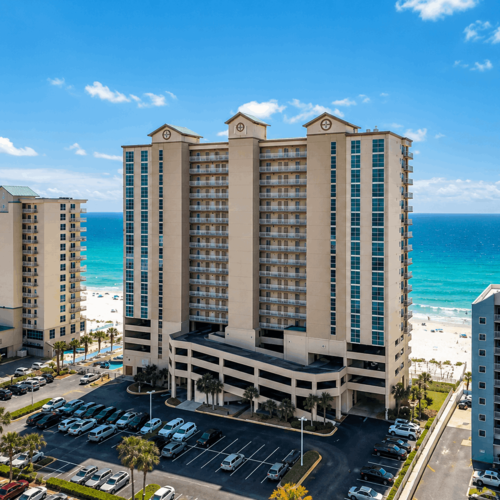
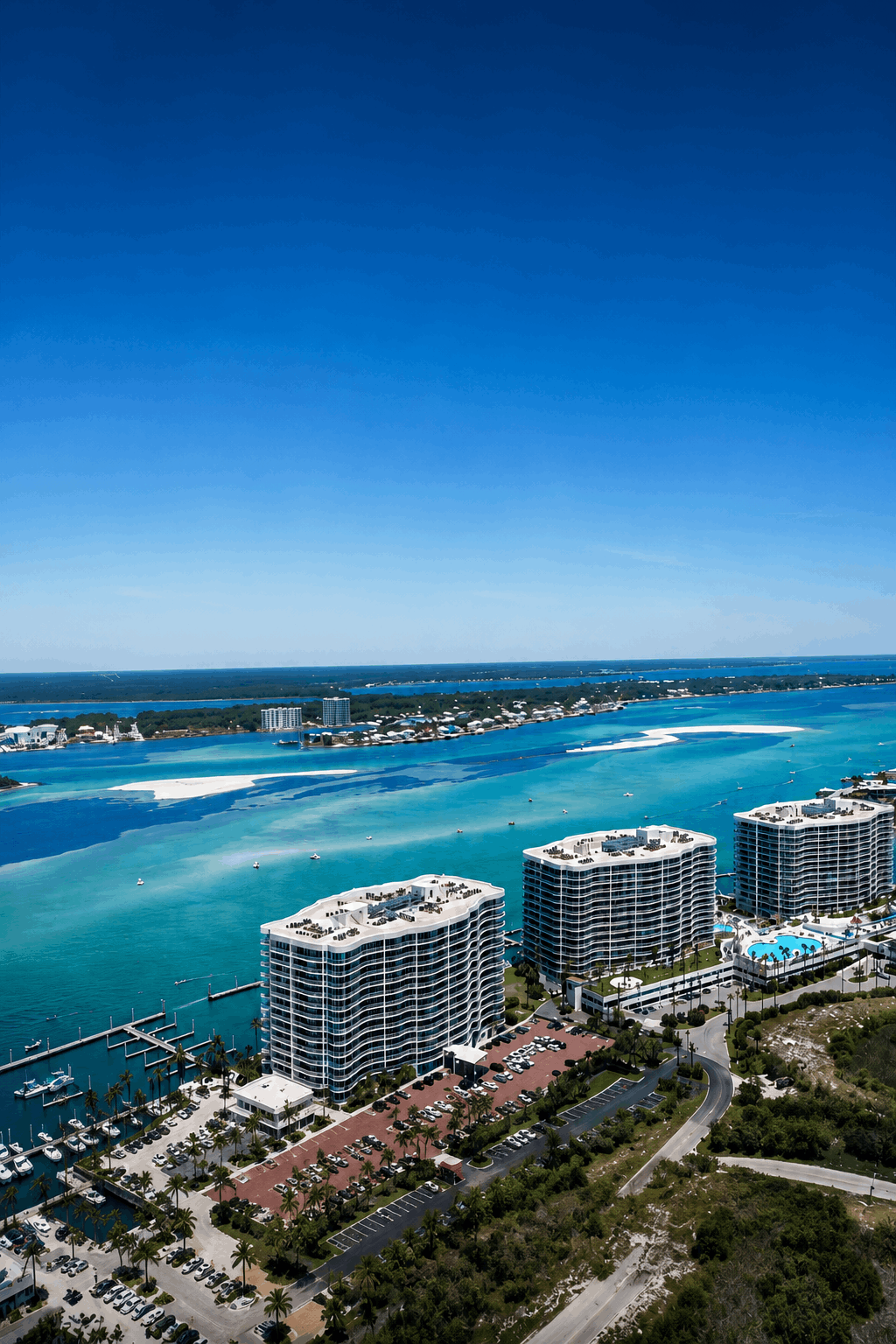
If you own property along Alabama's Gulf Coast — or you're shopping for a condo, beach house, or investment property in Gulf Shores or Orange Beach — there's a transportation change worth understanding. In mid-May 2026, a new southbound bridge over the Intracoastal Waterway opened, reshaping how traffic flows onto the island and, with it, how some buyers and sellers think about access when comparing communities.
This isn't a headline about construction cones and detours. It's a shift in the transportation backbone that connects Gulf Shores and Orange Beach to the mainland — and transportation access is one of the quieter but more durable factors that shapes how buyers evaluate Alabama Gulf Coast real estate.
What Actually Changed
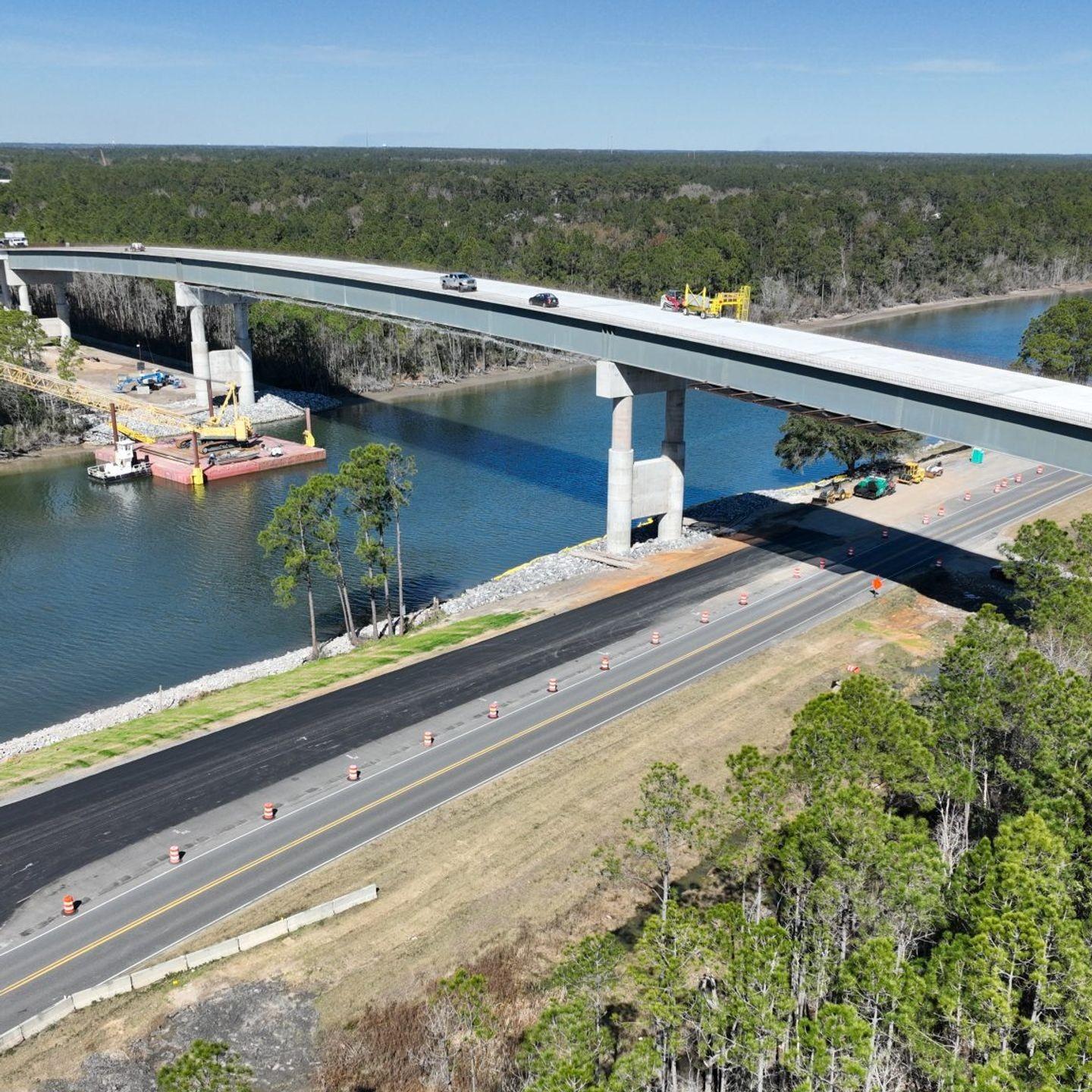
According to Alabama's Beaches, the new southbound-only Intracoastal Waterway bridge opened in May 2026, giving drivers a new route onto the island and pairing with a connector road to SR-161. Once the new span opened, the existing Beach Express bridge near The Wharf became a northbound-only route — meaning the southernmost stretch of the Foley Beach Express now functions differently than it did for years prior.
Here's how the new pattern works in practice:
- Southbound traffic heading to the beach now crosses the new bridge to reach the island.
- Northbound traffic leaving the island uses the original Beach Express bridge near The Wharf.
- Once across the new bridge, drivers can use the Orange Beach roundabout to head east or west on Canal Road.
- The new bridge is accessible from a newly built roundabout near the Foley Beach Express, as well as from Cotton Creek Drive.
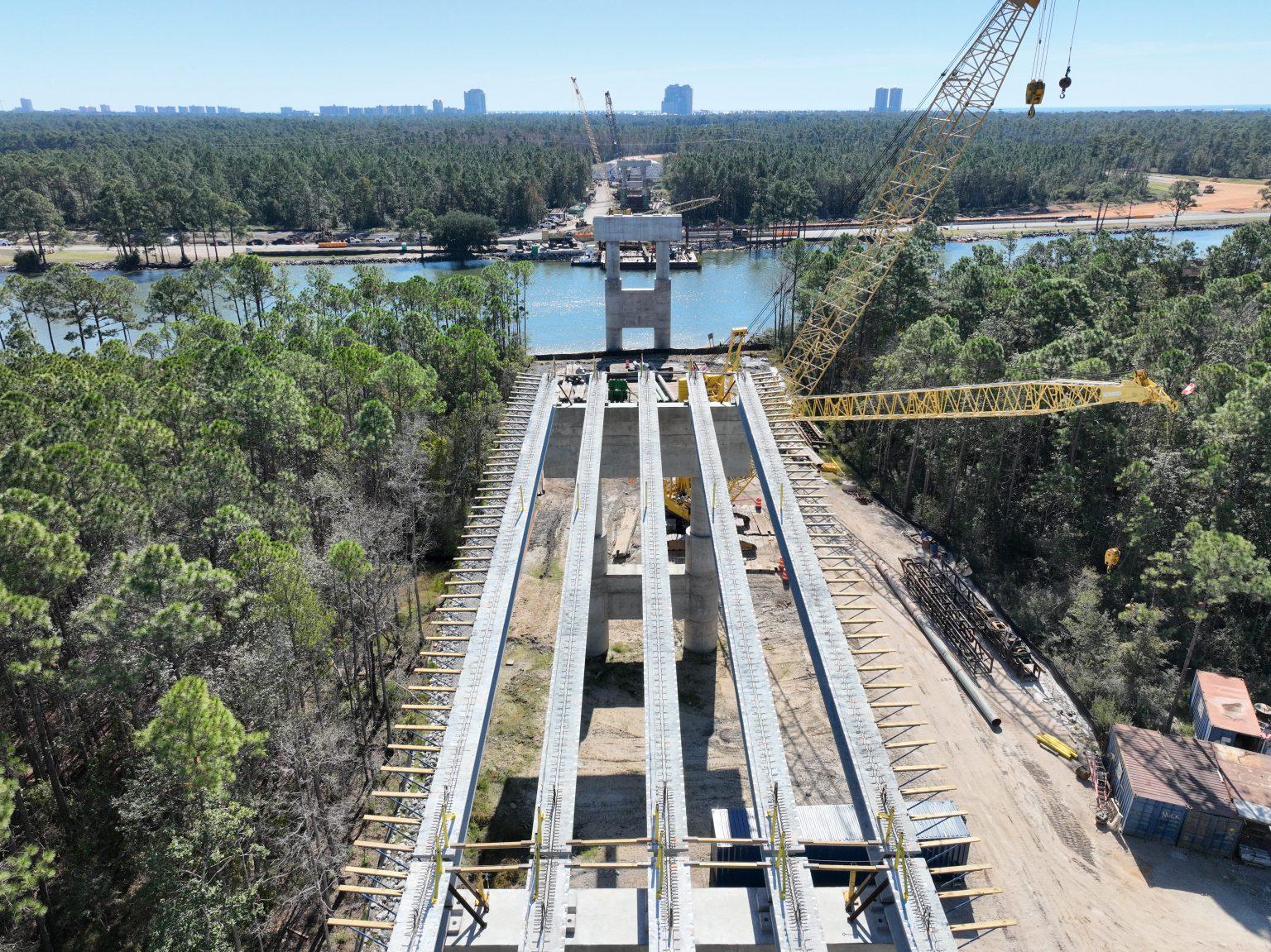
For day-to-day drivers, this means the old habit of "just take the Beach Express both ways" no longer applies on the southern end near The Wharf. For property owners and buyers, it means the routes vacation guests, contractors, and residents use to reach the coast have shifted — and that's worth factoring into how you think about location.
Why Access Matters When Buying Alabama Gulf Coast Real Estate
Real estate value along the coast has always been tied to more than square footage and view lines. Practical access — how easily owners, renters, and guests get to and from a property — plays into the day-to-day experience of owning here, and it's a legitimate factor to weigh alongside the usual list: price, HOA or COA fees, insurance costs, rental restrictions, amenities, direct beach access, and recent comparable sales.
When you're comparing properties across Gulf Shores real estate, Orange Beach real estate, and Fort Morgan real estate, a few access-related questions tend to come up naturally:
- Travel time from the interstate. How long does it realistically take to get from I-10 to the property, and does that route hold up during peak summer traffic?
- Airport proximity. Is the property a short drive from Gulf Shores International Airport, or does it rely on Pensacola or Mobile?
- Beach access. Is there deeded or nearby public beach access, and how does the drive or walk to that access point work?
- Restaurants, shopping, and marinas. Are daily conveniences a quick trip away, or does reaching them now involve a different route than it used to?
- Guest and rental logistics. If the property is a vacation rental, how will guests navigate to it — especially first-time visitors relying on GPS directions that may reference outdated routes?
None of these questions have a universal "right" answer. A Fort Morgan buyer prioritizing quiet and privacy will weigh access differently than someone shopping Gulf Shores condos for sale near the Hangout or a family comparing Orange Beach condos for sale along Perdido Beach Boulevard. The point isn't that one location is now "better" than another — it's that infrastructure changes like this one are a legitimate line item to research, the same way you'd research flood zone status or COA reserve funding.
How the Bridge Fits Into the Bigger Access Picture
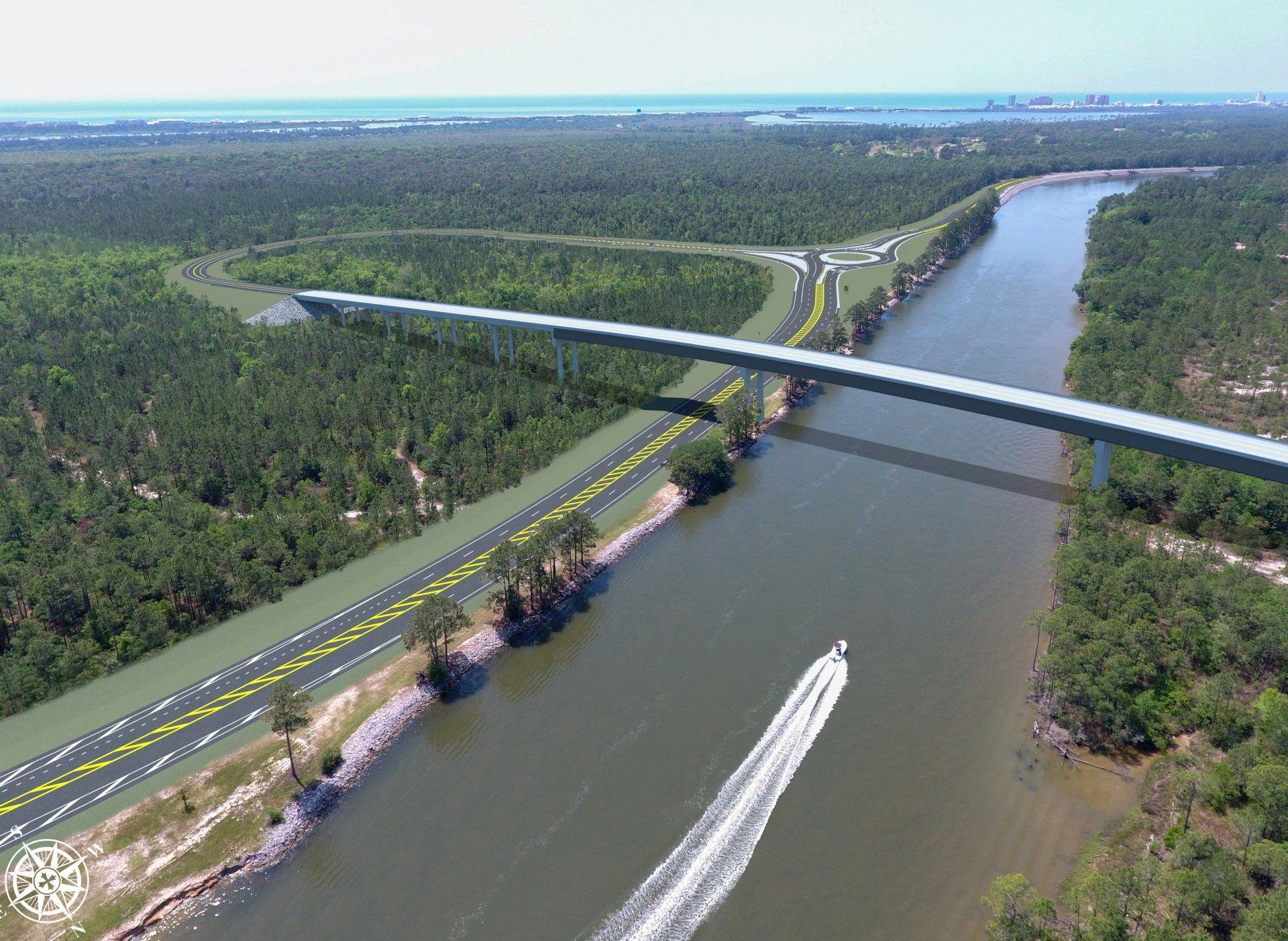
The new ICW bridge isn't happening in isolation — it's part of a broader set of access points that shape how easily people reach Alabama's Beaches.
By road: Travelers coming from I-10 have long had two options — Alabama Highway 59 or the Baldwin Beach Express — both of which connect directly to Gulf Shores and Orange Beach. The Baldwin Beach Express remains toll-free and is known for fewer traffic lights, letting drivers bypass towns along the way. The new southbound bridge adds a third routing consideration specifically for the final approach onto the island near The Wharf.
By air: Gulf Shores International Airport continues to be a factor for owners and guests coming from out of state. The airport offers nonstop service from a number of U.S. cities and sits just a few miles from the beach, which matters for second-home owners who fly in periodically and for vacation guests who want to minimize drive time after landing.
Together, these access points — highway routing, the new bridge pattern, and airport proximity — form part of the practical backdrop buyers can weigh when comparing Gulf Shores investment property options or evaluating a Gulf-front condo in Alabama against an inland alternative.
What This Means for Buyers and Owners Right Now
To be clear: a new bridge opening doesn't guarantee rising property values, and it doesn't promise higher rental income. Those outcomes depend on far more — pricing trends, insurance markets, rental demand, inventory levels, and the specific property itself. What the bridge does offer is a genuine, on-the-ground change to how people move through the area, and that's information worth having as you evaluate options.
If you're comparing communities right now, it's worth asking how a property's location relates to the new traffic pattern:
- Properties near the Foley Beach Express corridor may see a different day-to-day driving experience than they did a year ago.
- Canal Road area properties benefit from more direct access to the new bridge via the Orange Beach roundabout.
- Gulf-front condominium corridors in both Gulf Shores and Orange Beach remain reachable via multiple routes, but it's worth confirming which approach makes the most sense for your specific building.
- Fort Morgan properties, being further west, are less directly affected by the new bridge but still benefit from the overall improvements to regional access.
Talk to Someone Who Knows the Market — and the Roads
Infrastructure changes like this one are exactly the kind of detail that's easy to miss if you're not working with someone who tracks the Alabama Gulf Coast market closely. Whether you're comparing Gulf Shores condos for sale, evaluating a Fort Morgan real estate purchase for privacy and space, or trying to understand how the new bridge pattern affects a specific Orange Beach real estate listing, it helps to have local, current guidance.
Contact Jonathan Bennett to compare properties and communities throughout Gulf Shores, Orange Beach, and Fort Morgan, and to get a clear picture of how access, pricing, and property fundamentals fit together for your specific goals.
Source: Route and bridge details referenced from Alabama's Beaches ("Ways to Get Around Gulf Shores & Orange Beach," updated May 2026).
Check out this article next