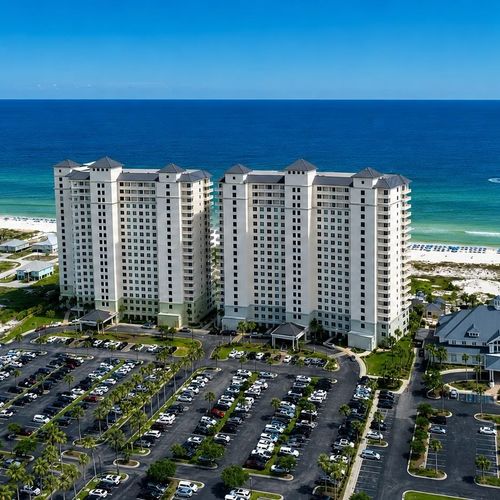

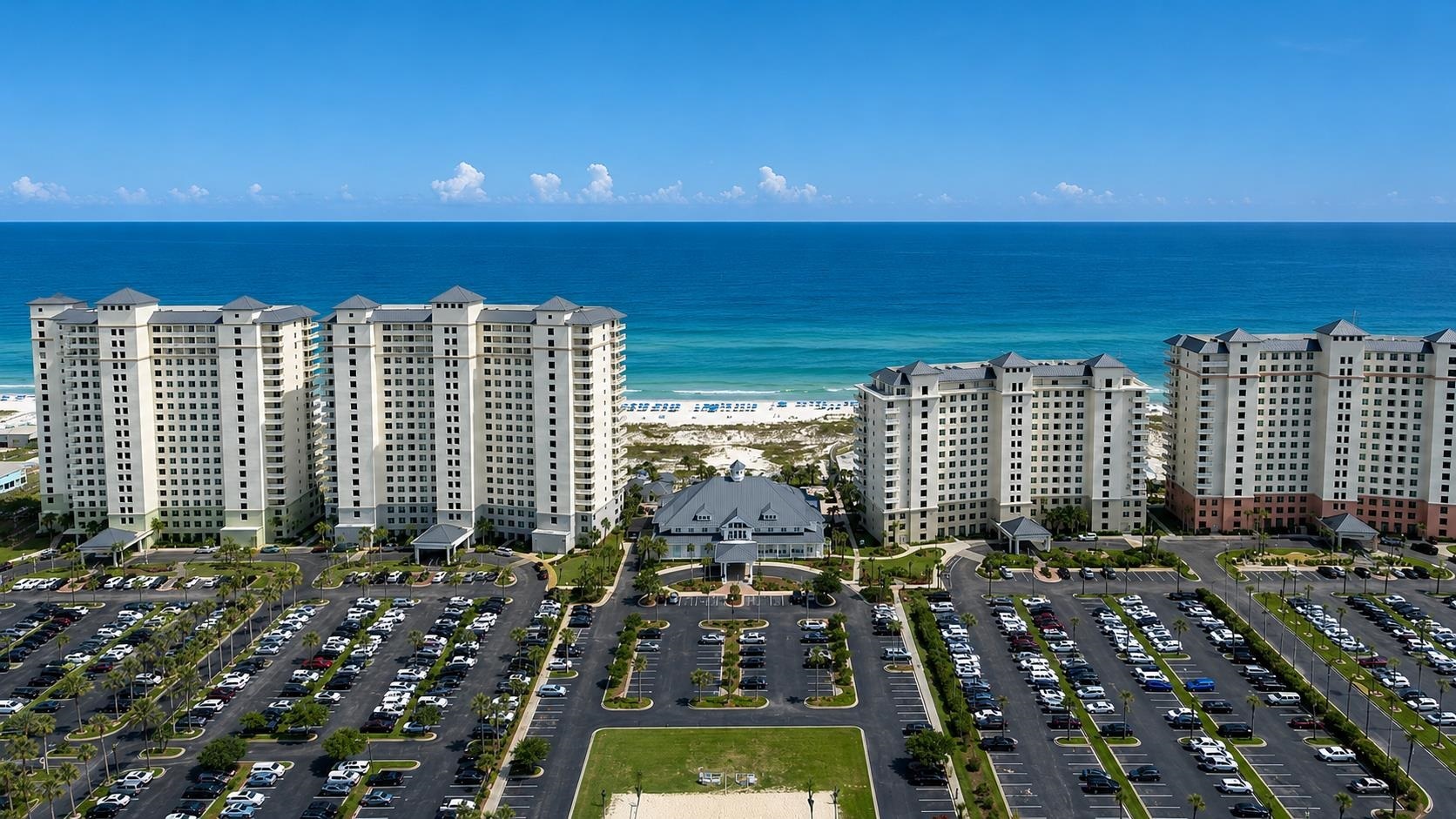
If you're shopping for Gulf Shores second homes, Orange Beach vacation homes, or Fort Morgan real estate, you've probably noticed that not every listing gets pitched the same way. Some properties are marketed around lifestyle — the view, the walk to the beach, the quiet off-season. Others are marketed around numbers — occupancy rates, nightly rates, projected income.
Both approaches are valid. But before you fall in love with a floor plan or a spreadsheet, it's worth asking a more fundamental question: what do you actually want this property to do for you?
A condo that makes a wonderful personal getaway isn't automatically a strong short-term rental. And a unit built for maximum rental turnover isn't always the place you'll want to spend your own summer. Knowing which category you're shopping in — before you start touring units — will save you time, money, and a fair amount of second-guessing.
Start With Your "Why," Not the Listing
Buyers along the Alabama Gulf Coast generally fall into one of three camps:
- Primarily a personal second home. You want a place your family returns to year after year, decorated the way you like it, available whenever you want it — rental income is a nice-to-have, not the point.
- Primarily a vacation rental investment. You're comfortable using it occasionally, but the priority is booking performance, guest amenities, and how the property performs in a rental program.
- A genuine hybrid. You want meaningful personal use and rental income to help offset ownership costs — which means accepting trade-offs on both sides.
None of these is the "right" answer. But each one points you toward different buildings, different unit types, and different due-diligence priorities. It's a good idea to sit with this question before you start touring, because it changes what you should be looking at.
Location and View: Not All Gulf Coast Is the Same
Gulf Shores, Orange Beach, and Fort Morgan each have a different rhythm, and it matters for both use-cases.
- Gulf Shores tends to draw the largest and most consistent visitor traffic, with proximity to The Wharf, restaurants, and family attractions — a draw for renters, and convenient for owners who want walkability.
- Orange Beach skews toward a mix of high-rise Gulf-front condos and canal or bay-front homes, often appealing to boaters and buyers who want a quieter, more residential feel without giving up rental potential.
- Fort Morgan is the most secluded of the three — long stretches of undeveloped beach, lower-density buildings, and a slower pace. It can be a wonderful personal retreat, but its distance from restaurants and attractions is a factor renters weigh, and it's worth understanding how that affects demand before assuming it will rent like a more central property.
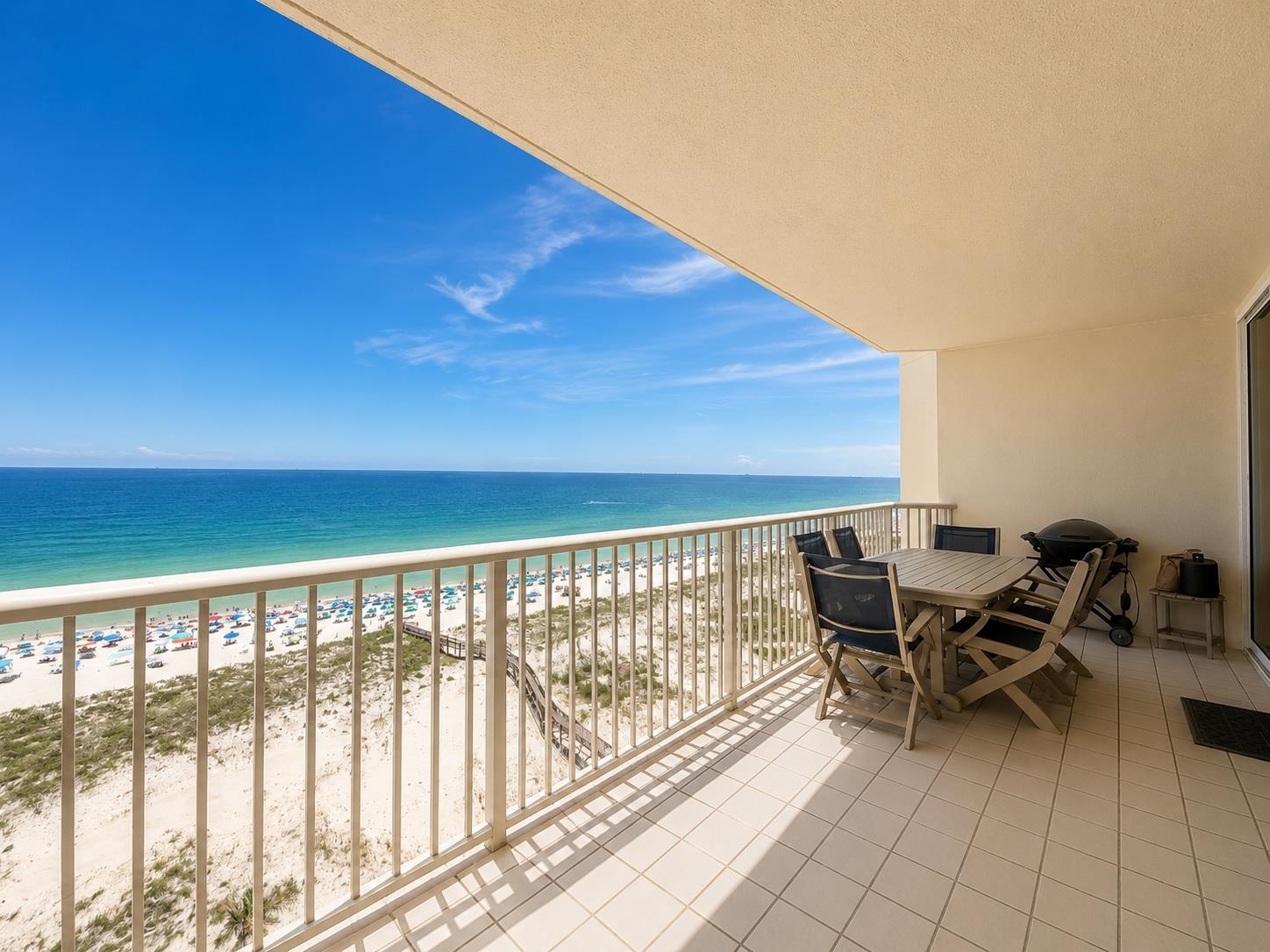
Within any of these areas, Gulf-front condos almost always command stronger rental demand and higher nightly rates than bay-side, canal, or second-row properties — but they also come with a higher purchase price and, often, higher insurance and HOA costs. A second-row or bay-front property might be the smarter personal getaway if view isn't your top priority, while a true Gulf-front unit is usually the safer bet if rental performance matters most to you. Neither is universally "better" — it depends on your goals.
Rental Potential Isn't One-Size-Fits-All
If rental income is part of your decision, ask to see historical rental information for the specific unit or building — not just a general area average. Look at:
- Gross rental income and occupancy by month over at least the past two to three years
- How income compares between similar unit sizes and floor levels within the same building
- Whether the numbers reflect a self-managed calendar or a professional rental program, since the two aren't always comparable
- Seasonality — many Gulf Coast properties see the bulk of their income concentrated in a handful of summer months
It's important to be direct here: past performance is historical information, not a promise of future results. Rental income can vary from year to year based on the economy, weather, travel trends, and how a property is marketed and maintained. A knowledgeable local agent can help you interpret historical numbers responsibly, but no one can guarantee what a property will earn going forward.
HOA Rules, Rental Restrictions, and Fees
This is one of the most overlooked steps for buyers, and it can make or break either use-case.
- Rental restrictions. Some HOAs limit minimum stay lengths, cap the number of rentals per year, or prohibit short-term rentals altogether. If rental income is central to your plan, confirm the current rules in writing — and understand that HOAs can and do change their rental policies over time.
- HOA fees and reserves. Monthly or annual dues vary widely by building and amenities. Ask about the reserve fund, any planned special assessments, and the building's maintenance history, since large Gulf-front buildings face significant exposure to weather and salt air.
- Owner-use policies. If personal use matters to you, ask how many weeks or days you're guaranteed if the unit is in a rental program, and how booking priority works during peak weeks like July 4th.
- Amenities. Pools, elevators, covered parking, and on-site management can be attractive to renters and owners alike, but they also drive HOA costs. Weigh amenities against what you'll realistically use versus what a renter will pay a premium for.
Insurance, Taxes, and Carrying Costs
Gulf Coast ownership comes with cost considerations that inland buyers aren't always used to:
- Insurance. Wind, flood, and hazard coverage for coastal property can be a significant annual expense and varies by building age, construction, and location. Get quotes early in your search, not after you're under contract.
- Property taxes. Alabama's property tax rates are relatively moderate compared to many states, but rates and assessed values differ by county and by whether the property is your primary residence or a second home/rental.
- Financing. Second-home and investment-property loans typically carry different down payment and rate requirements than a primary residence. If you plan to rent the property, your lender will want to know that upfront.
- Property management. If you won't be nearby to handle turnovers, guest communication, and maintenance, factor in property-management fees, which are typically a percentage of rental revenue plus possible additional service fees.
- Ongoing maintenance. Salt air, humidity, and heavy guest turnover age a unit faster than a typical inland home. Furniture, appliances, and HVAC systems often need replacing more frequently in a rental-heavy property.
Add these up before you fall for a view. The carrying costs on a property purchased purely for personal use versus one intended for rental income can look very different once insurance, management, and turnover wear-and-tear are factored in.
How Personal Use and Rental Goals Can Pull in Different Directions
It's worth being candid about the trade-offs:
- Peak-season use. The weeks that are most valuable for renters — summer and holidays — are often the same weeks you'd most want to use the property yourself. A hybrid buyer needs to decide how much peak-season income they're willing to give up for personal use, or vice versa.
- Décor and wear. A rental-focused unit is often furnished for durability and broad guest appeal; a personal second home is furnished for how you want to live. Renting a heavily personalized unit can mean more wear on furnishings you care about.
- Flexibility versus predictability. Owning outright and using the property whenever you like offers flexibility that rental programs, with their booking calendars and minimum-stay requirements, don't always accommodate.
- Management involvement. Self-managing can improve your margin but requires being available (or having someone reliable nearby) for guest issues. A full-service property-management company reduces your involvement but adds a recurring cost.
None of these trade-offs are dealbreakers — they're simply decisions that are easier to make before closing than after.
Questions to Ask Before You Buy
- How many weeks per year do I realistically want to use this property myself?
- Is rental income essential to my ability to afford this property, or is it a bonus?
- Am I comfortable with professional property management costs, or do I want to self-manage?
- What are the current HOA rental rules, and how have they changed historically?
- What do the last two to three years of rental history show for this specific unit or building?
- What will insurance, HOA dues, taxes, and management fees add up to on an annual basis?
- How does this property compare to similar units in Gulf Shores, Orange Beach, and Fort Morgan for my specific goals?
Check out this article next